
AI in Agriculture: Innovations for Sustainable Farming Practices
- Feb 13, 2024
- 2 min read
Updated: Mar 12, 2024
In today's world, with a growing global population and increasing environmental challenges, agriculture faces the daunting task of producing more food while minimizing its ecological footprint. Fortunately, advancements in artificial intelligence (AI) offer promising solutions to enhance productivity, optimize resource usage, and promote sustainable farming practices. In this blog post, we'll explore how AI is transforming agriculture and driving innovations for a more sustainable future.
The Role of AI in Agriculture
AI technologies such as machine learning, computer vision, and predictive analytics are revolutionizing every aspect of the agricultural value chain, from planting and cultivation to harvesting and distribution. By analyzing vast amounts of data and identifying patterns, AI enables farmers to make data-driven decisions, optimize resource allocation, and mitigate risks.
Precision Agriculture
One of the most significant applications of AI in agriculture is precision farming. Through the use of sensors, drones, and satellite imagery, farmers can collect real-time data on soil moisture, nutrient levels, and crop health. AI algorithms analyze this data to generate actionable insights, allowing farmers to apply inputs such as water, fertilizers, and pesticides precisely where and when they are needed. By minimizing waste and maximizing yield, precision agriculture promotes sustainable farming practices while reducing costs and environmental impact.
Crop Monitoring and Management
AI-powered systems for crop monitoring and management provide farmers with detailed insights into the health and growth of their crops. Computer vision algorithms can analyze images captured by drones or ground-based cameras to detect signs of pests, diseases, or nutrient deficiencies. By identifying issues early, farmers can take proactive measures to address them, reducing crop losses and minimizing the need for chemical interventions. Additionally, AI algorithms can predict crop yields based on historical data and environmental factors, helping farmers optimize harvest timing and logistics.
Autonomous Farming Equipment
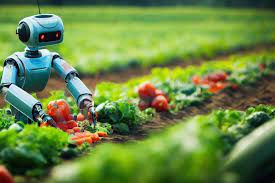
The development of autonomous farming equipment represents another significant advancement in agricultural AI. Self-driving tractors, harvesters, and drones equipped with AI algorithms can perform tasks such as planting, weeding, and spraying with unprecedented precision and efficiency. By automating repetitive tasks, autonomous farming equipment reduces labor costs, increases operational efficiency, and minimizes the environmental impact of agricultural machinery.
Sustainable Pest Management
AI-driven solutions for pest management offer farmers effective alternatives to conventional chemical pesticides. By analyzing data on pest populations, weather patterns, and crop susceptibility, AI algorithms can recommend integrated pest management strategies that combine biological, cultural, and chemical control methods. These strategies minimize the use of synthetic pesticides, preserve beneficial insects, and promote ecological balance in agricultural ecosystems.


Comments